
Hiring a Full-Time Nanny in Washington, DC: How the Process Actually Works
How a real DC nanny search runs: intake, seven-step vetting, the trial week, and a first-90-days plan that keeps the placement together.
TL;DR: Hiring a full-time nanny in Washington, DC isn't really about finding someone available. It's about a screening process that goes deeper than a background check, a trial week that tells you the truth, and a first-90-days plan that holds the placement together. Here's how the work actually moves from intake call to a settled household.
Most DC families come to a nanny search assuming the slow part is finding candidates. It isn't. The slow part is screening, the next slow part is the trial, and the slowest part is the first month after the offer. Skipping any of those is how you end up replacing the same hire twice in a year. This is the version of the process we run for full-time placements across DC, with the parts that families usually underestimate flagged where they sit.
What an intake call actually covers
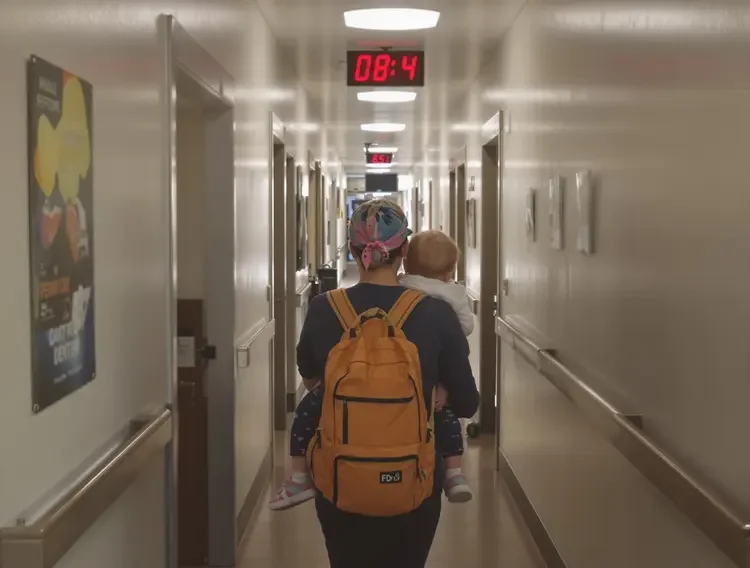
Before any candidate hits your inbox, we sit down for an intake call. Not a sales call. The intake walks the family's week the way it actually runs, not the way the job listing wants to read. Wake-up time, who handles bath, who's the school-pickup parent today, where the soft spots are. We ask about the sibling dynamic, who naps when, the dog, the in-laws who drop by on Tuesdays. The job description gets written from that, not from a template. A specific, honest brief pulls candidates who actually want that family. A generic listing pulls applicants who want any job, which is the wrong starting point.
We also flag the hard constraints in the intake. Driving with the kids, swimming pool in the yard, third-shift coverage, dietary work for a kid with allergies. Surfacing those in week one means we don't waste anyone's time in week three.
What the seven-step vetting actually verifies
Background check is the part everyone talks about. It's also the smallest piece of the screening. Our seven-step vetting layers identity verification, criminal and motor-vehicle records, employment history, two former-employer references, one personal reference, a skills interview, and an in-person meet. The piece most families don't appreciate is the reference reach. We don't only call the references the candidate hands us. We dig for the placements that didn't make the list, because those phone calls carry the actual signal.
Identity and right-to-work. Documented before any candidate sees a family.
Criminal records. Federal and state, plus the jurisdictions a candidate has lived in.
Motor-vehicle record. Pulled fresh, not self-reported. Matters more than parents expect when school pickups are on the table.
Employment timeline. Gaps explained. We've seen one-year gaps that turn out to be maternity leaves, and we've seen them turn out to be terminations. Both happen.
Two former-employer references. Not friends, not landlords. Families she actually nannied for.
Skills interview. Infant care, age-appropriate routines, what she does at 4 p.m. when the meltdown comes.
In-person meet. Body language, how she talks about the last family, whether she asks about your kids by name.

Why the trial week is the truth-tellers
The interview tells you who someone is at 10 a.m. on a Tuesday. The trial week tells you who they are at 4 p.m. on a Thursday with two tired kids. We push every full-time placement to do at least a paid two-day trial, ideally three. The family observes the first morning, then steps out for the afternoon. Watch how the candidate handles unstructured time. Watch how she recovers from a tantrum. Watch whether the kids ask about her on the second day.
The trial also surfaces fit issues that look small in interviews and get loud in month two. Screen time tolerance, food rules, how she talks to the kids when she thinks no one is listening. Better to find out in the trial than in the third week of the placement.
What good week one actually looks like
The first week of a real placement is structured. Day one is shadowing, not solo. The parent runs the morning while the new nanny watches the routine. Day two she runs it with the parent in the house. Day three she runs it with the parent reachable but not present. By day five, the routine is hers and the parent has the bandwidth to actually work. Families who jump straight to solo on Monday because the mom's calendar is on fire are the families we hear from in week six wanting a re-placement.
We also encourage a written week-one plan. Not a contract. A one-pager. The kids' food preferences, the bedtime cues, the screen-time rules, how to handle a sick day, who's the backup if she gets a flat tire on the way in. The boring document saves a hundred small decisions in the first month.
Communication that holds the placement together
The placements that last past two years all run a weekly check-in. Twenty minutes, Sunday or Monday, on the calendar. Not a performance review. A quick walk through the upcoming week, anything off, anything new. Most issues that blow up in month four are issues that started as a Tuesday note nobody wrote down. The family that does this every week catches them at week six instead of week sixteen.
We stay involved past the placement. The check-in calls at 30, 60, and 90 days are our standard. They're short, but they catch the small drift before it becomes a resignation. If you'd like the same depth of process applied to your search, our DC nanny placement service handles intake, vetting, trial, and the first-90-days support. For broader household needs, our household staffing options cover managers, estate roles, and personal assistants.

Backup coverage and the awkward week
Every nanny gets sick. Every nanny takes vacation. The placements that hold up plan for that on day one. We line up a backup pool the family can call directly. Two or three sitters who've already been to the house, met the kids, and know the routine. The first time you actually need backup, you don't want to be running a fresh interview with a fever in the next room. Build that bench in month one, before you need it. The same bench works for the early-morning meeting that ran long, the school strike day, and the trip to urgent care.
Schedule fit, school year vs. summer
DC schedules don't match the calendar. Hill recess weeks, federal-holiday closures, school spring breaks that fall in different weeks. The candidate slate we put in front of you knows the rhythm. We ask up front whether the family wants the same hours year-round (cleaner for the nanny, simpler for everyone) or shifted hours when the kids are out of school (harder to schedule but worth talking through). Either is fine. Picking one and writing it down is what matters.
Summer is its own conversation. School-age kids at home full-time changes the job. Some senior nannies want the extended hours and the camp coordination, some don't. Have the conversation in March, not in June.
Next step: If you'd rather skip the screening, we'll bring you 3 to 5 nanny candidates who fit your hours, neighborhood, and family style. Vetted, referenced, ready for a trial week.
DC families who treat the search as a process instead of a transaction end up with placements that last. The agencies that skip the trial, skip the references, skip the week-one plan are the ones that fill jobs fast and lose them just as fast. Slow on the front end, settled in the long run. That's the real version of the work.